Every journey comes with obstacles. Discover the challenges we faced and the practical solutions we implemented to create lasting impact in our communities.
During the implementation of our activities, ADEF encountered several challenges. However, through innovation, resilience, and community engagement, practical solutions were applied to ensure continued progress.
Limited financial resources affected the scale and speed of project implementation. To overcome this, the organization strengthened its internal income-generating activities such as pig farming and seedling sales to sustain operations.
Nurseries and planted seedlings were often destroyed by roaming animals. This challenge was addressed by constructing protective fencing using locally available materials.
Some beneficiaries were slow to adopt new agricultural practices. ADEF responded by intensifying education, training sessions, and awareness campaigns to encourage behavioral change.
The organization faced difficulties in securing external funding. To mitigate this, continuous efforts were made in writing and submitting proposals to potential donors and partners.

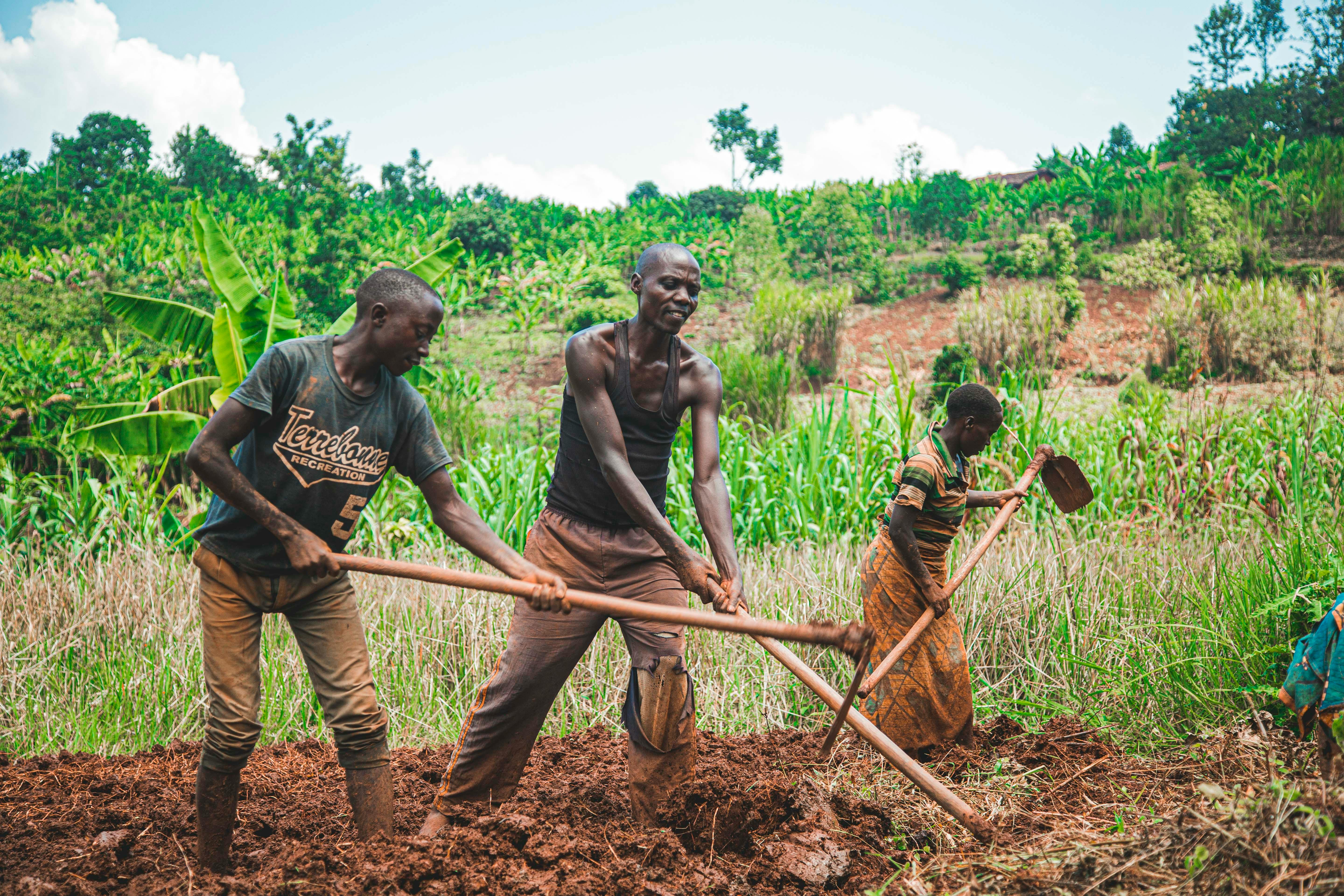
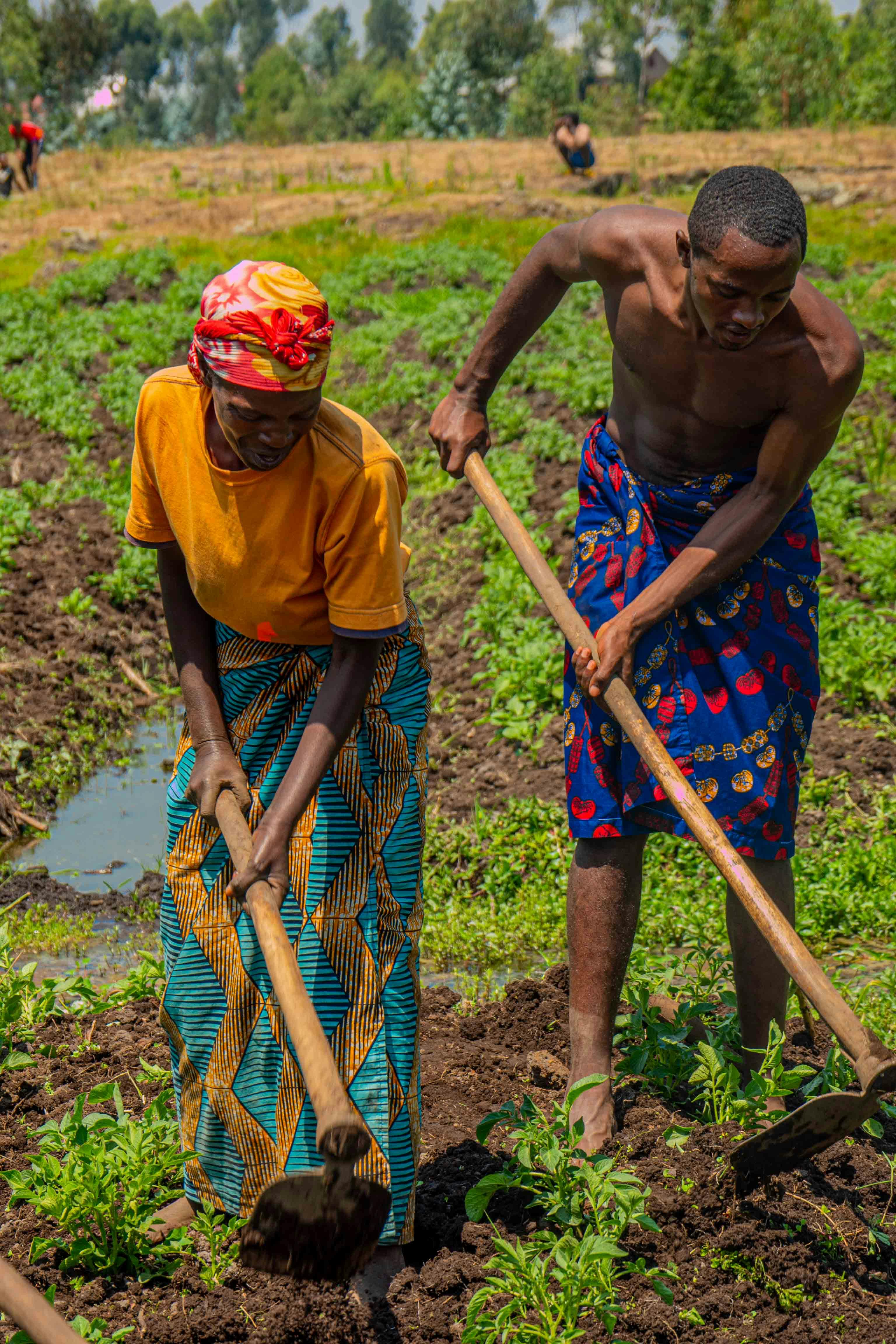
Throughout the implementation of our programs, ADEF faced several structural and operational challenges that affected performance.
Insufficient funding limited the scale of operations and reduced the number of beneficiaries reached.
Seedlings and nurseries were destroyed by roaming animals, causing losses.
Some beneficiaries were reluctant to adopt new agricultural techniques.
Difficulty accessing donor funding slowed expansion of projects.
The challenges encountered during project implementation provided valuable lessons that continue to shape our strategies and future plans.
One of the key lessons learned is the importance of sustainability in project design. Income-generating activities such as pig farming and seedling production proved to be essential in supporting ongoing operations. These initiatives not only provided financial support but also created practical learning opportunities for beneficiaries.
Community engagement remains a critical factor in achieving long-term impact. Continuous interaction with beneficiaries through training, sensitization, and field visits helped build trust and encouraged the gradual adoption of improved agricultural practices. It became evident that behavior change requires consistent effort and patience.
The integration of organic farming practices, including the use of compost derived from pig waste, demonstrated the effectiveness of circular agricultural systems. This approach not only reduced costs but also improved soil fertility and crop yields, contributing to food security among households.
Moving forward, ADEF aims to strengthen its partnerships with local and international organizations to expand its reach and enhance the quality of its interventions. Increased collaboration will provide access to technical expertise, funding opportunities, and innovative solutions.
The organization is also focused on scaling up its activities by reaching more communities, especially women and youth, who are key drivers of agricultural transformation. Future programs will emphasize capacity building, environmental conservation, and income diversification.
With continued dedication and support, ADEF is committed to building resilient communities and promoting sustainable development for generations to come.
In response to the challenges encountered, ADEF implemented practical and sustainable solutions that continue to strengthen our impact and improve community livelihoods.


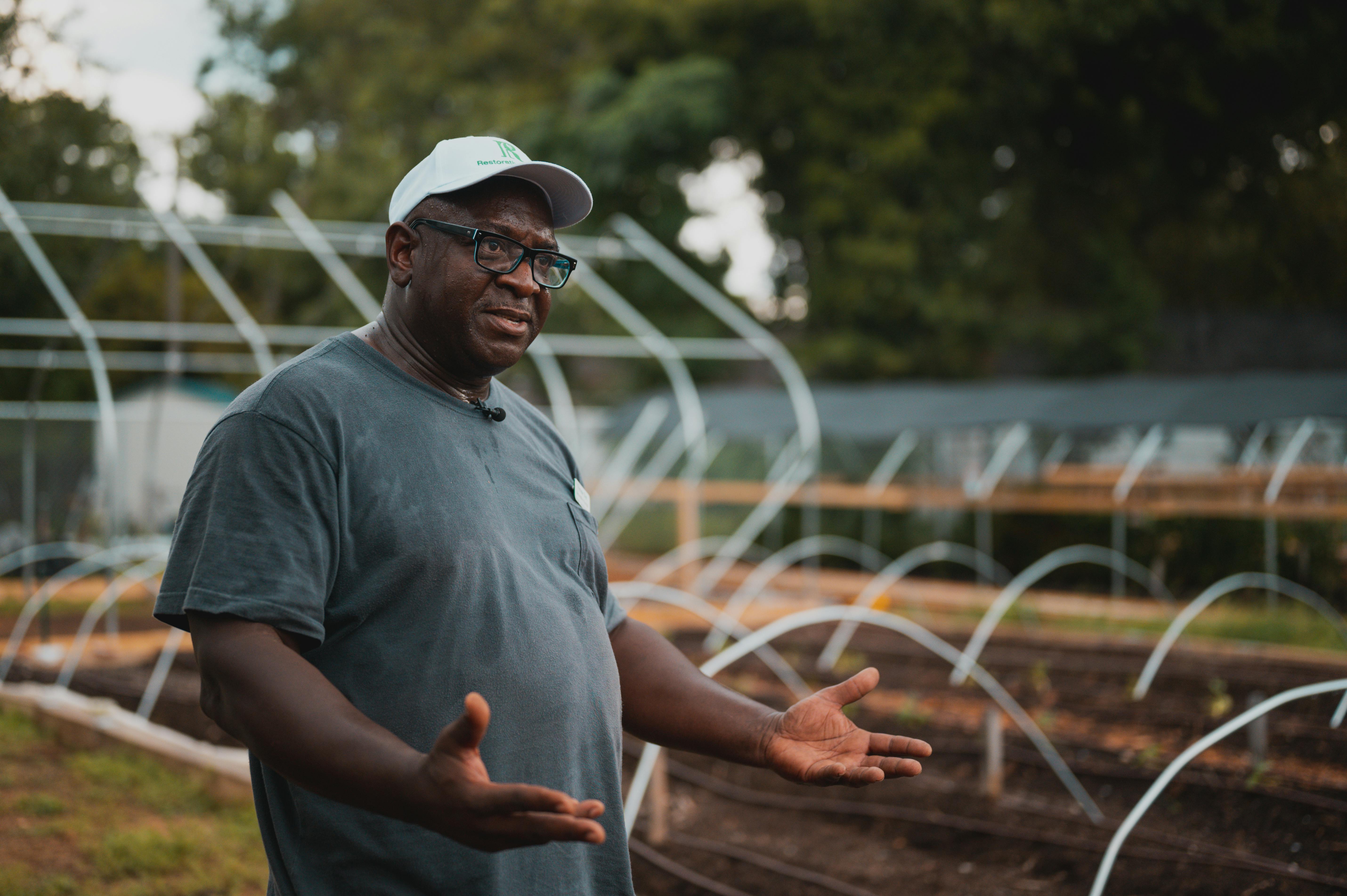
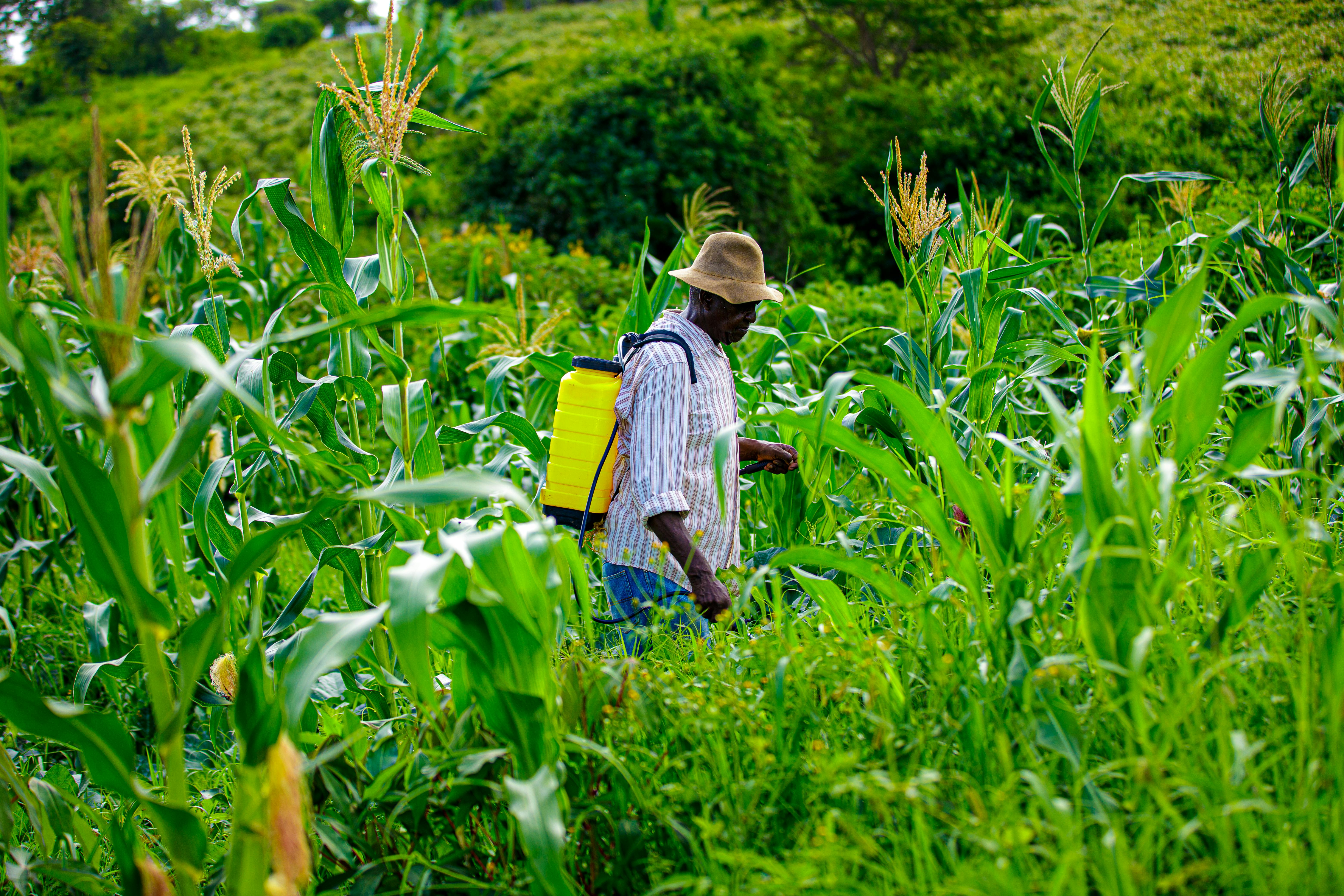


Beyond immediate responses, ADEF continues to refine and strengthen its solutions to ensure long-term sustainability and community resilience.
The introduction of pig farming and seedling production has provided a reliable internal funding source, reducing dependency on external donors while empowering communities economically.
By encouraging the use of locally available materials for fencing, communities have taken ownership of protecting their farms and nurseries against destruction.
Regular training sessions and follow-up visits ensure that beneficiaries gradually adopt improved farming techniques and adapt to modern practices.
The use of pig waste for composting has created a sustainable cycle that improves soil fertility while reducing farming costs.
Collaborations with institutions and local organizations have enhanced knowledge sharing, technical support, and access to resources.
Through consistent proposal writing and networking, ADEF continues to explore new funding opportunities to scale its impact.
ADEF continues to implement practical solutions that directly address the challenges faced by rural communities. Through innovation and local engagement, we are building systems that are both sustainable and impactful.
From income-generating activities such as pig farming to continuous farmer training and environmental conservation, each solution is designed to create long-term benefits for beneficiaries.
These actions demonstrate our commitment to transforming challenges into opportunities for growth, resilience, and sustainability.