At ADEF Cameroon, we are committed to conserving biodiversity by protecting forests, safeguarding wildlife, and promoting sustainable agricultural practices. Our mission is to ensure that natural ecosystems continue to thrive while supporting the livelihoods of local communities, especially women and youth.
Through community-driven initiatives, environmental education, and strategic partnerships, we actively combat deforestation, biodiversity loss, and climate change impacts across vulnerable regions in Cameroon.
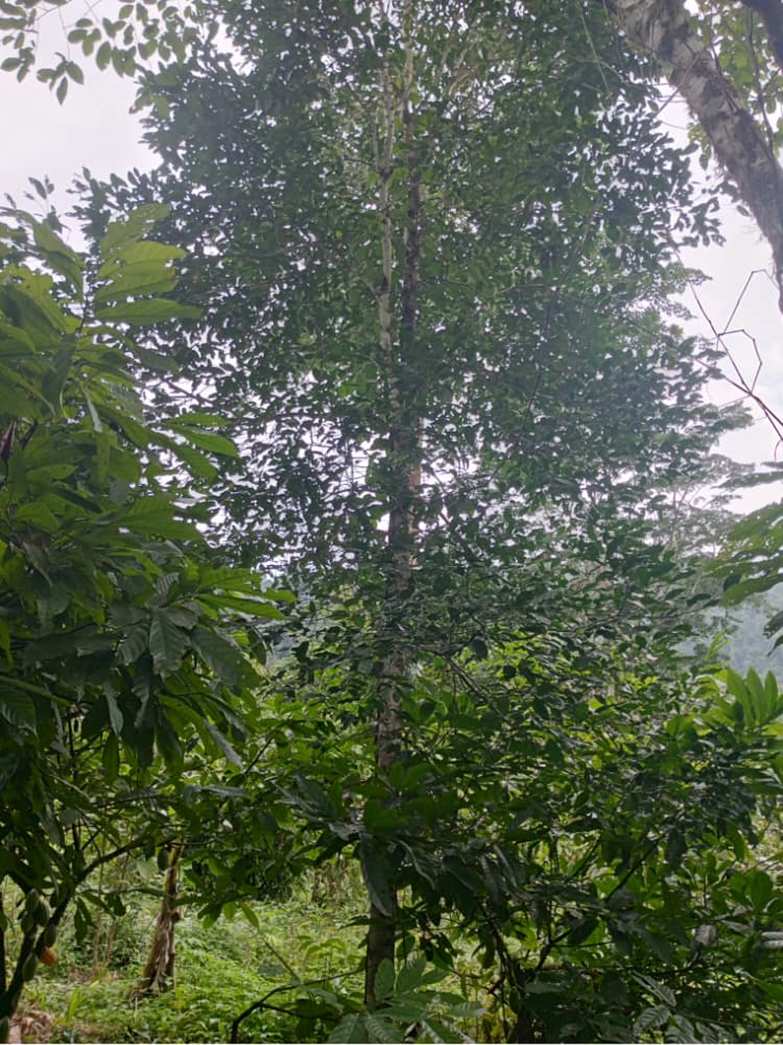
Protecting forests, wildlife, and ecosystems for future generations.
Protecting the diversity of life on Earth is essential for sustaining ecosystems, supporting livelihoods, and ensuring a resilient future for generations to come.
Biodiversity conservation refers to the protection, preservation, and sustainable management of ecosystems, species, and genetic diversity. At ADEF Cameroon, we recognize that biodiversity is the foundation of healthy ecosystems that provide essential services such as food, clean water, climate regulation, and cultural value.
Our approach integrates environmental protection with community development, ensuring that conservation efforts also enhance the well-being of local populations, especially in rural and forest-dependent communities.
Biodiversity is vital for maintaining ecological balance and supporting life on Earth. However, increasing pressures such as deforestation, climate change, and unsustainable land use practices continue to threaten natural habitats across Cameroon.
ADEF has identified critical gaps in rural livelihoods and continues to empower communities through practical, income-generating agricultural training programs.
Another training that was carried out by ADEF focused on vegetable farming, especially during the dry season. During this period, many households experience poverty because income generated from cocoa farming is often exhausted.
Vegetable cultivation has proven to be a reliable alternative source of income for households, helping families sustain their livelihoods all year round.
In addition, pig excrement can be transformed into organic manure and used in vegetable production. This important component is often missing in many piggery projects, yet it provides a sustainable and eco-friendly farming solution.
A total of 15 beneficiaries (4 men and 11 women) actively participated in this training program, gaining hands-on experience in sustainable farming practices.