Climate change is one of the greatest environmental challenges of our time, affecting ecosystems, livelihoods, and future generations across the globe.
Climate change refers to the long-term changes in temperature, rainfall, and weather patterns. While some changes occur naturally, current trends are largely driven by human activities such as burning fossil fuels, deforestation, and unsustainable agricultural practices.
These activities increase the concentration of greenhouse gases in the atmosphere, leading to global warming and environmental instability.
In regions like Cameroon, climate change has already led to irregular seasons, affecting farming cycles and increasing vulnerability among rural communities.
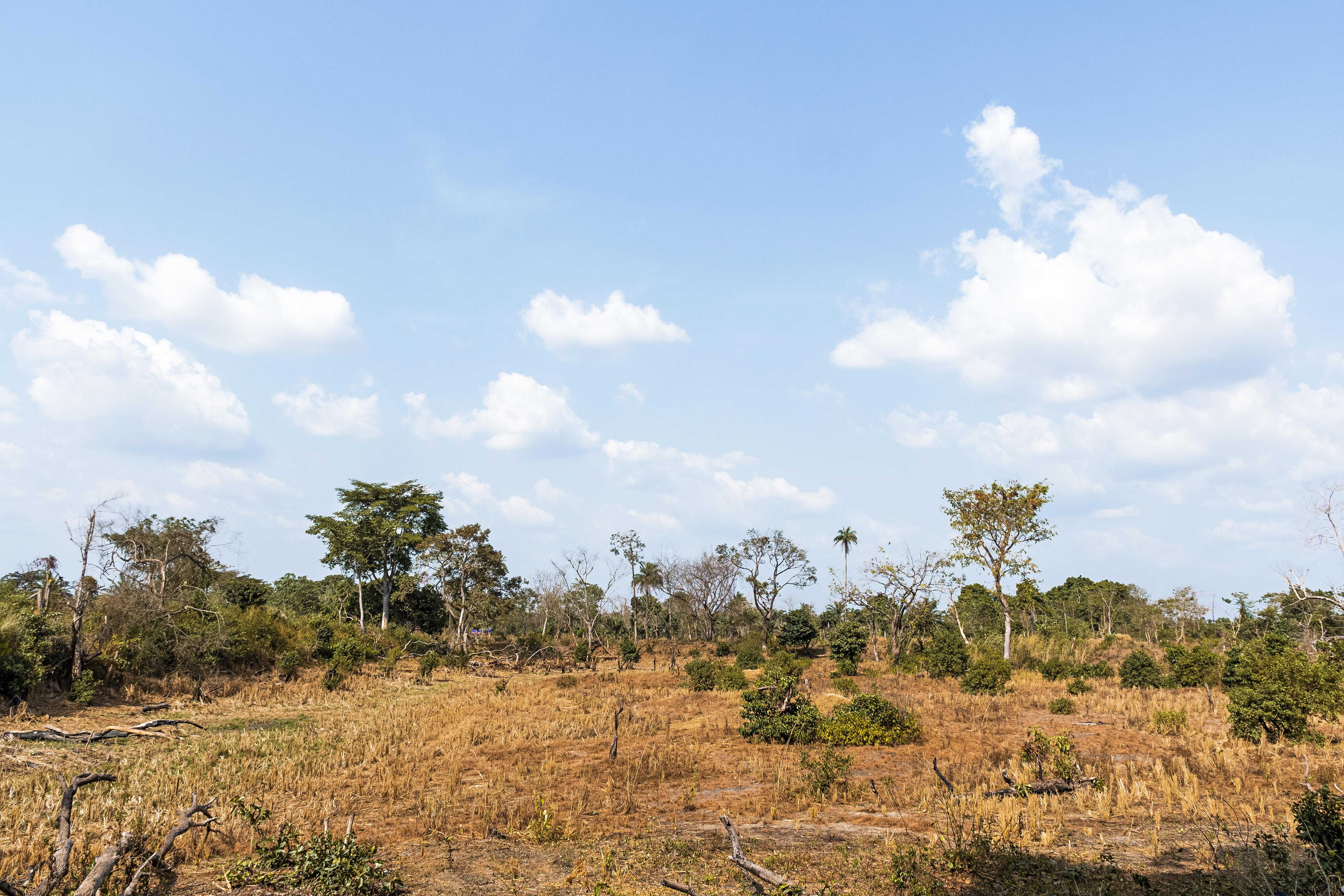
Climate change is no longer a distant threat but a present-day crisis affecting millions of people worldwide. Scientific evidence shows that global temperatures have increased significantly due to the accumulation of greenhouse gases such as carbon dioxide (CO₂), methane (CH₄), and nitrous oxide (N₂O).
These gases trap heat within the Earth’s atmosphere, leading to a phenomenon known as global warming. As temperatures rise, natural systems become unstable, resulting in extreme weather events such as droughts, floods, heatwaves, and storms.
In Africa, particularly in Cameroon, climate change has disrupted agricultural calendars, reduced soil fertility, and increased vulnerability among rural populations who depend heavily on natural resources.
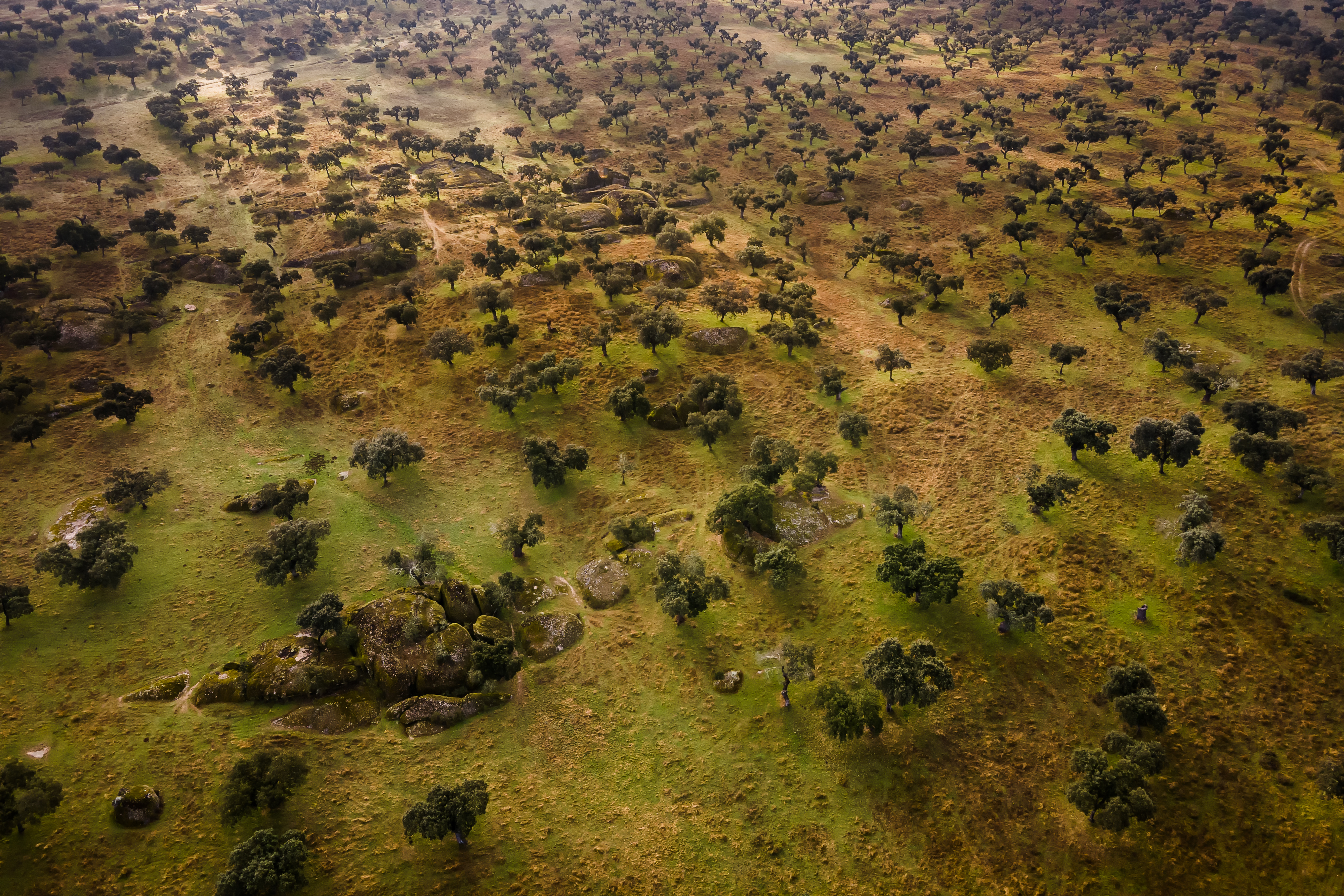
Immediate and coordinated action is essential to reduce the impact of climate change. Organizations like ADEF play a critical role by promoting sustainable practices, environmental awareness, and community-based solutions.
Some key climate solutions include:
By integrating these approaches, communities can build resilience, improve livelihoods, and contribute to the global effort to combat climate change.
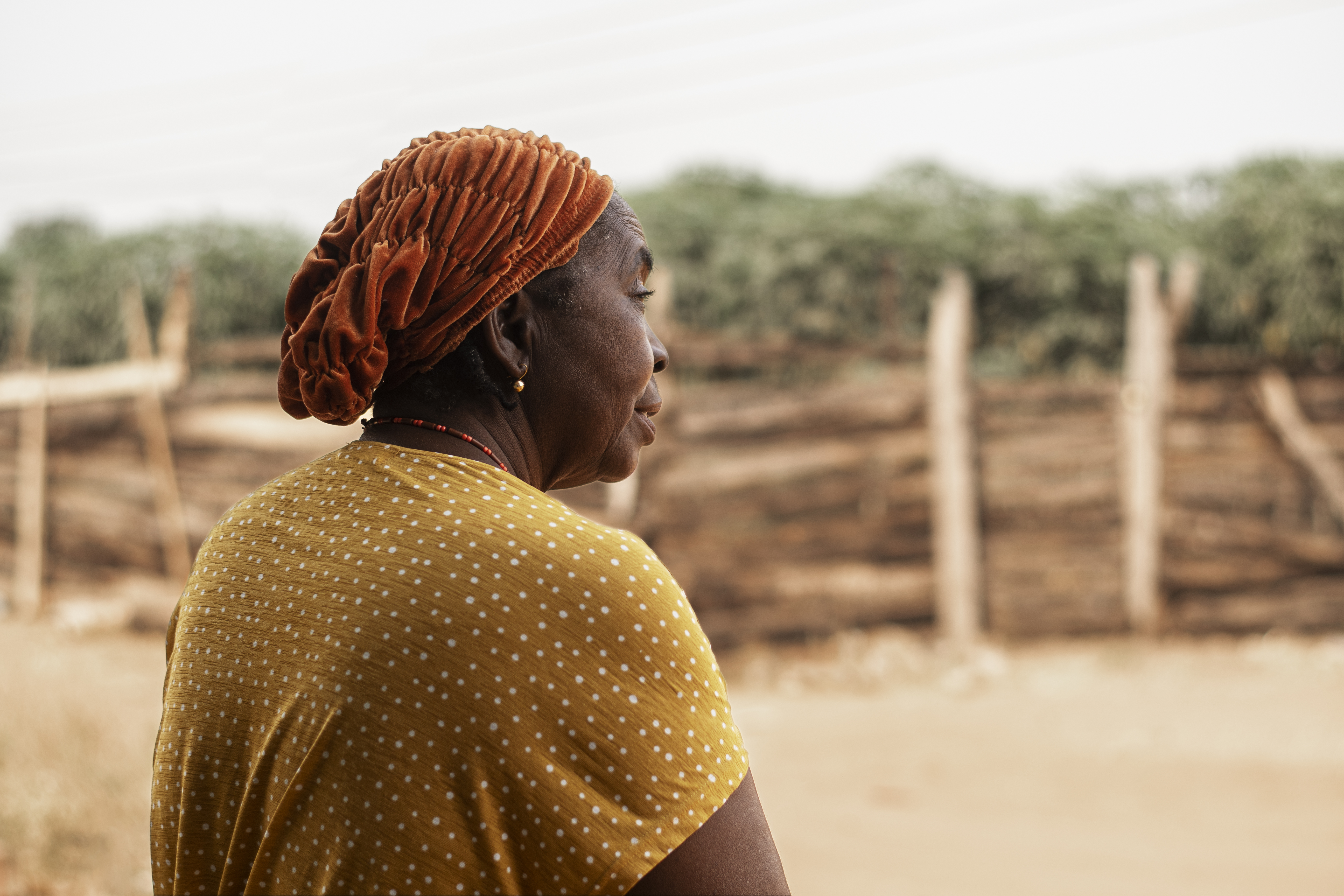
Climate change continues to pose serious threats to rural livelihoods, especially in agricultural communities. Irregular rainfall patterns, prolonged droughts, and soil degradation are affecting food production and income stability.
ADEF is committed to strengthening community resilience by promoting sustainable agricultural practices, empowering farmers with knowledge, and encouraging environmentally friendly solutions.
Through local engagement, training, and demonstration farms, communities are now better equipped to adapt to changing climate conditions while maintaining productivity.
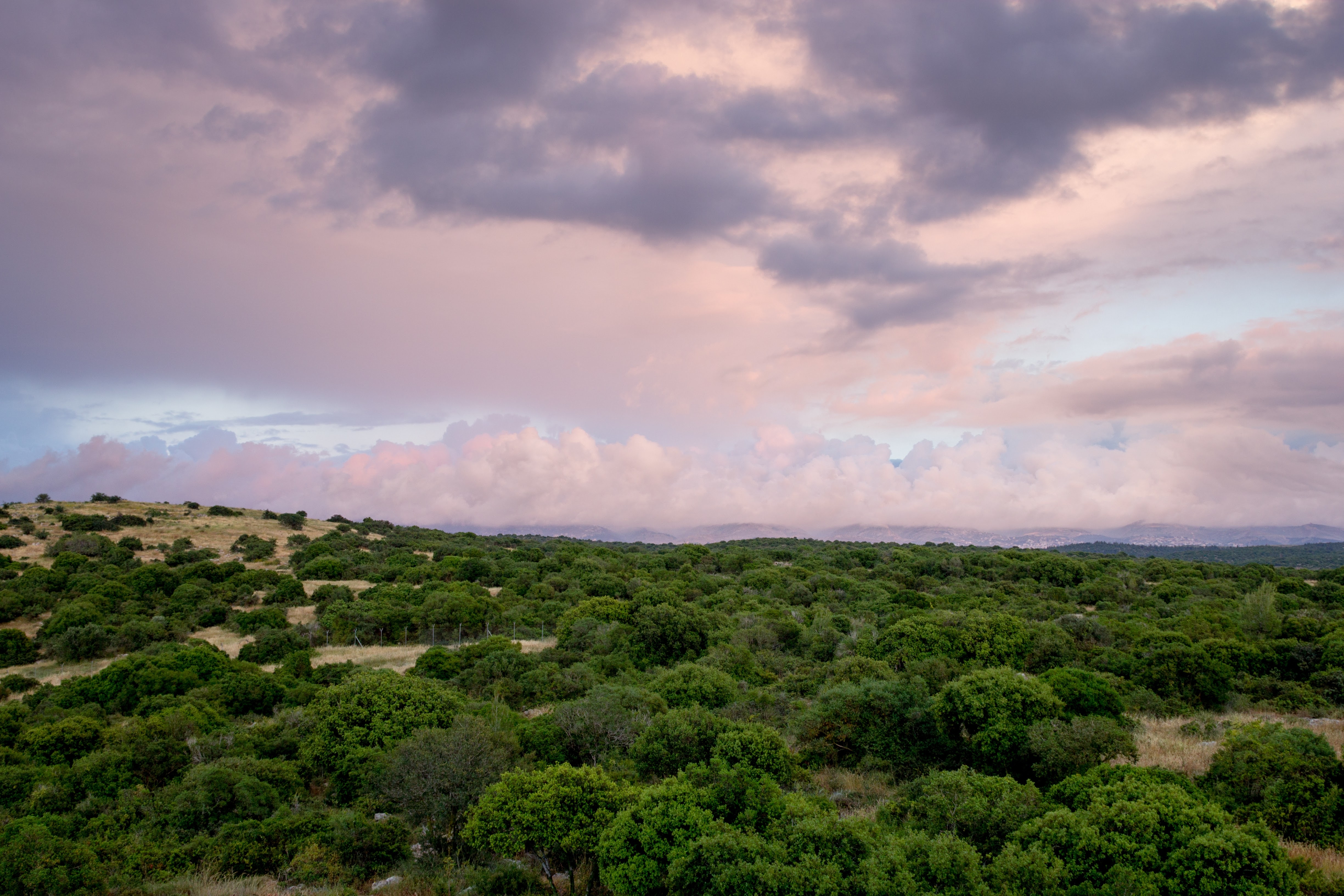
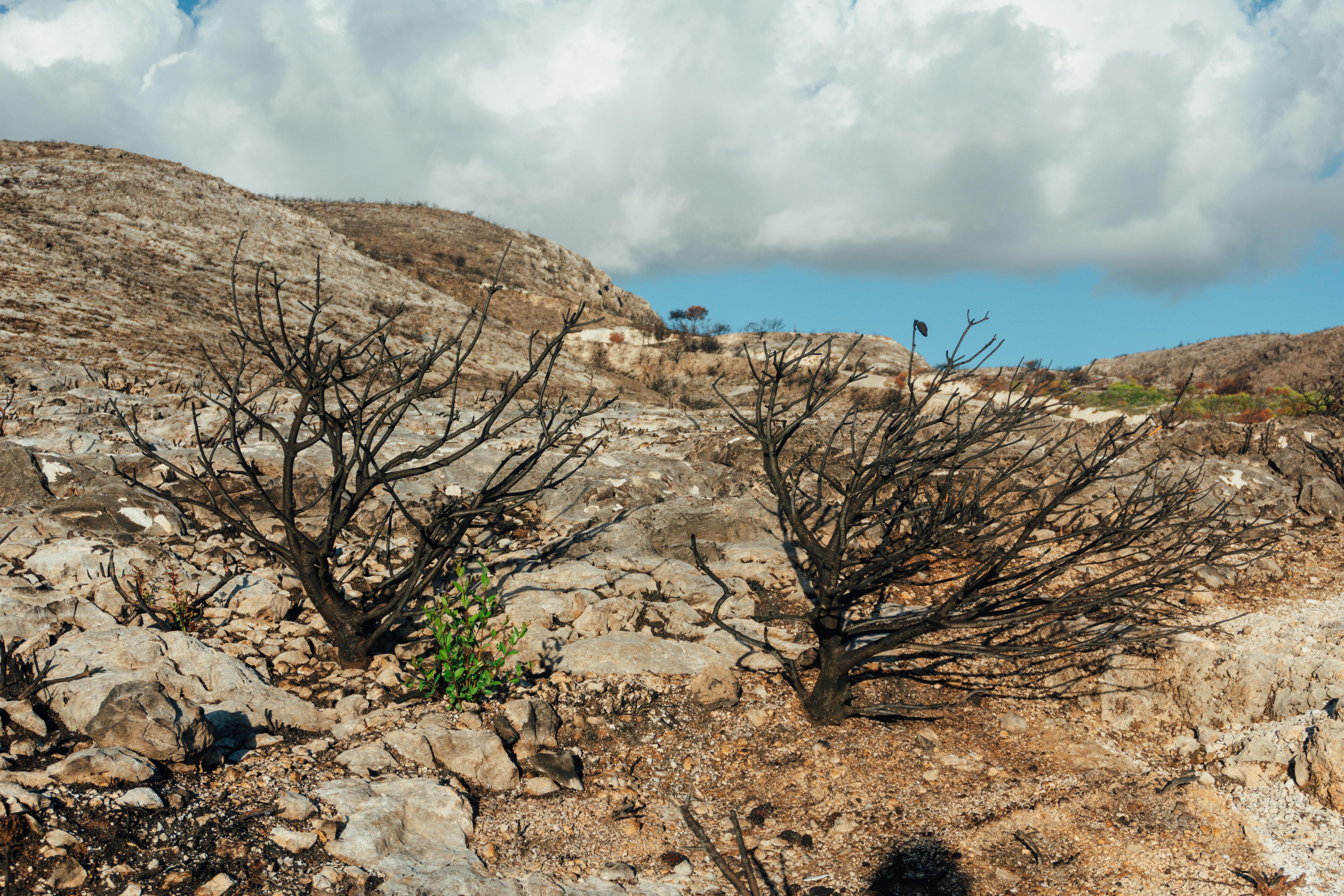
ADEF continues to implement practical, community-driven solutions to combat climate change while improving livelihoods and restoring ecosystems.
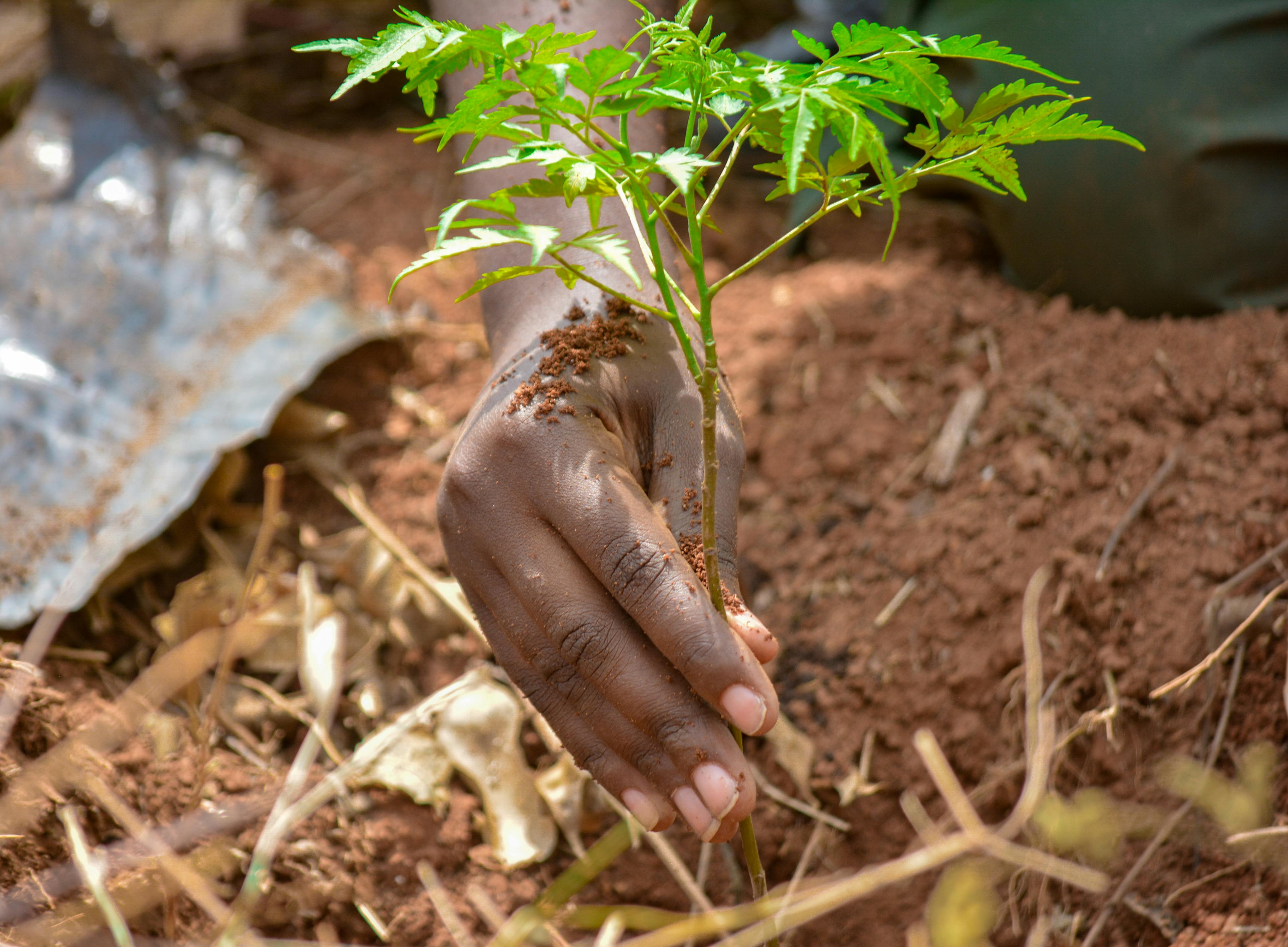
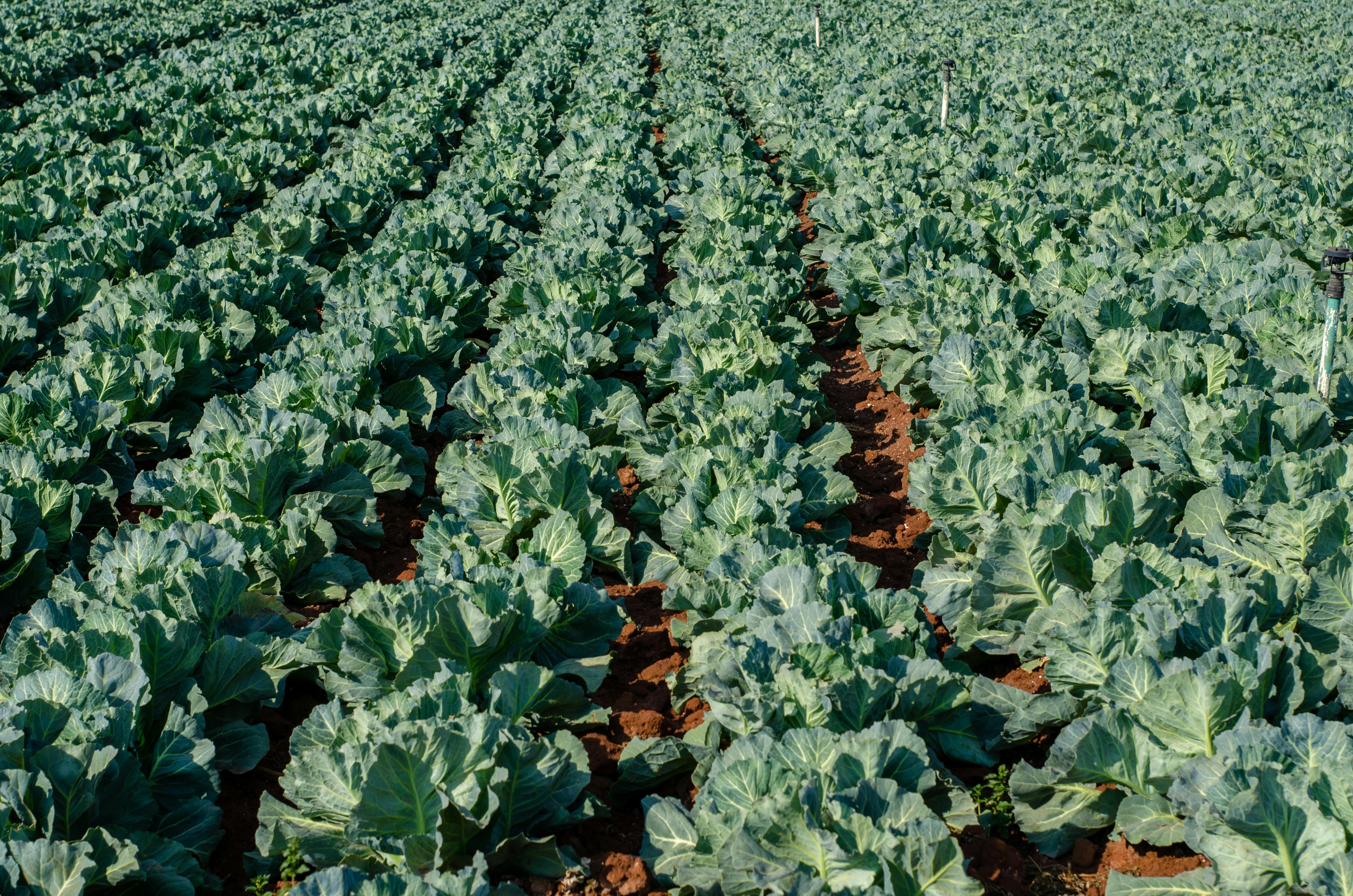
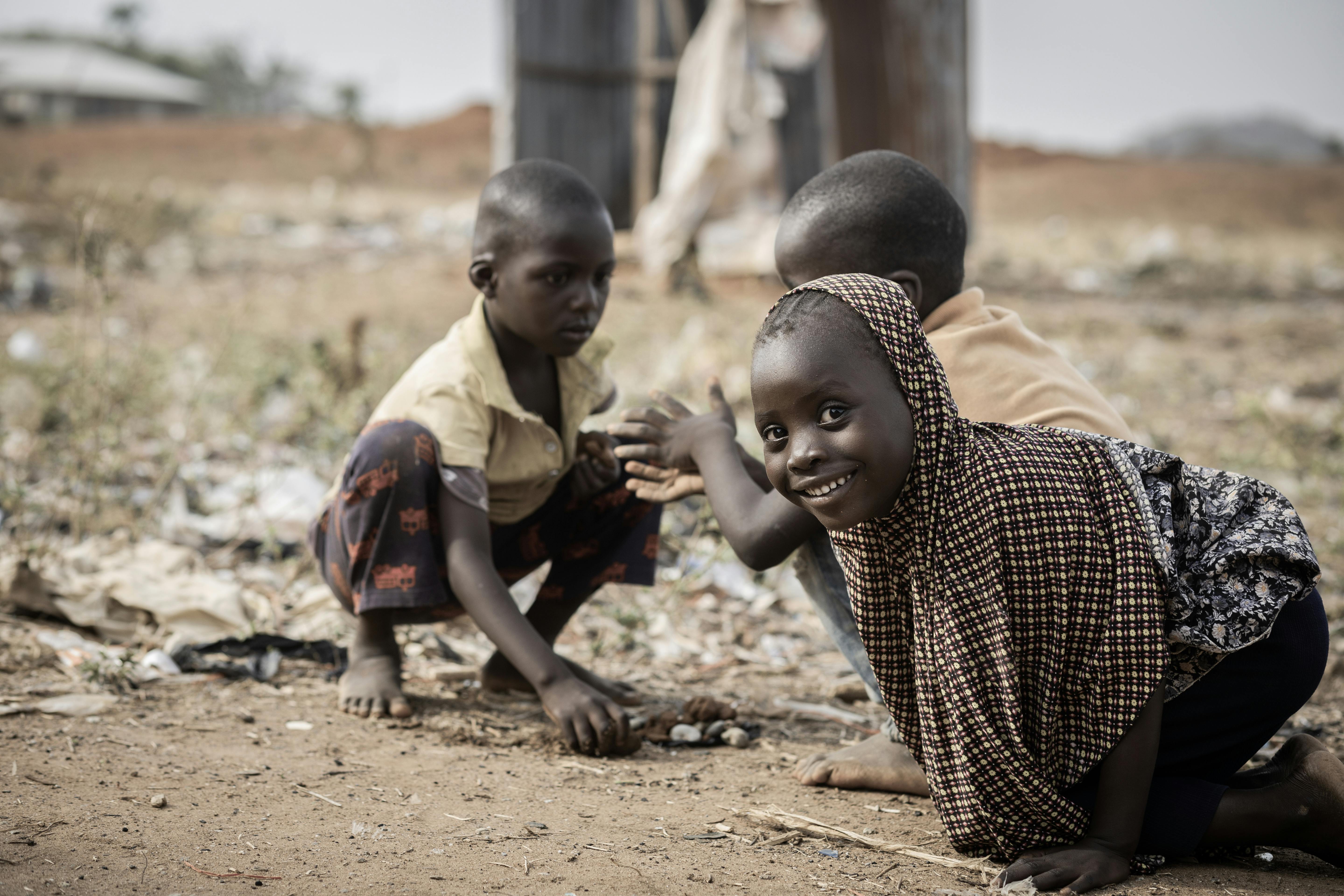
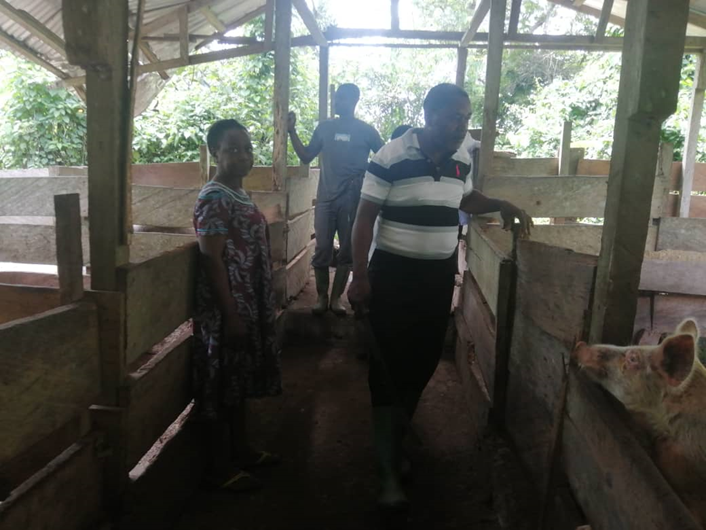
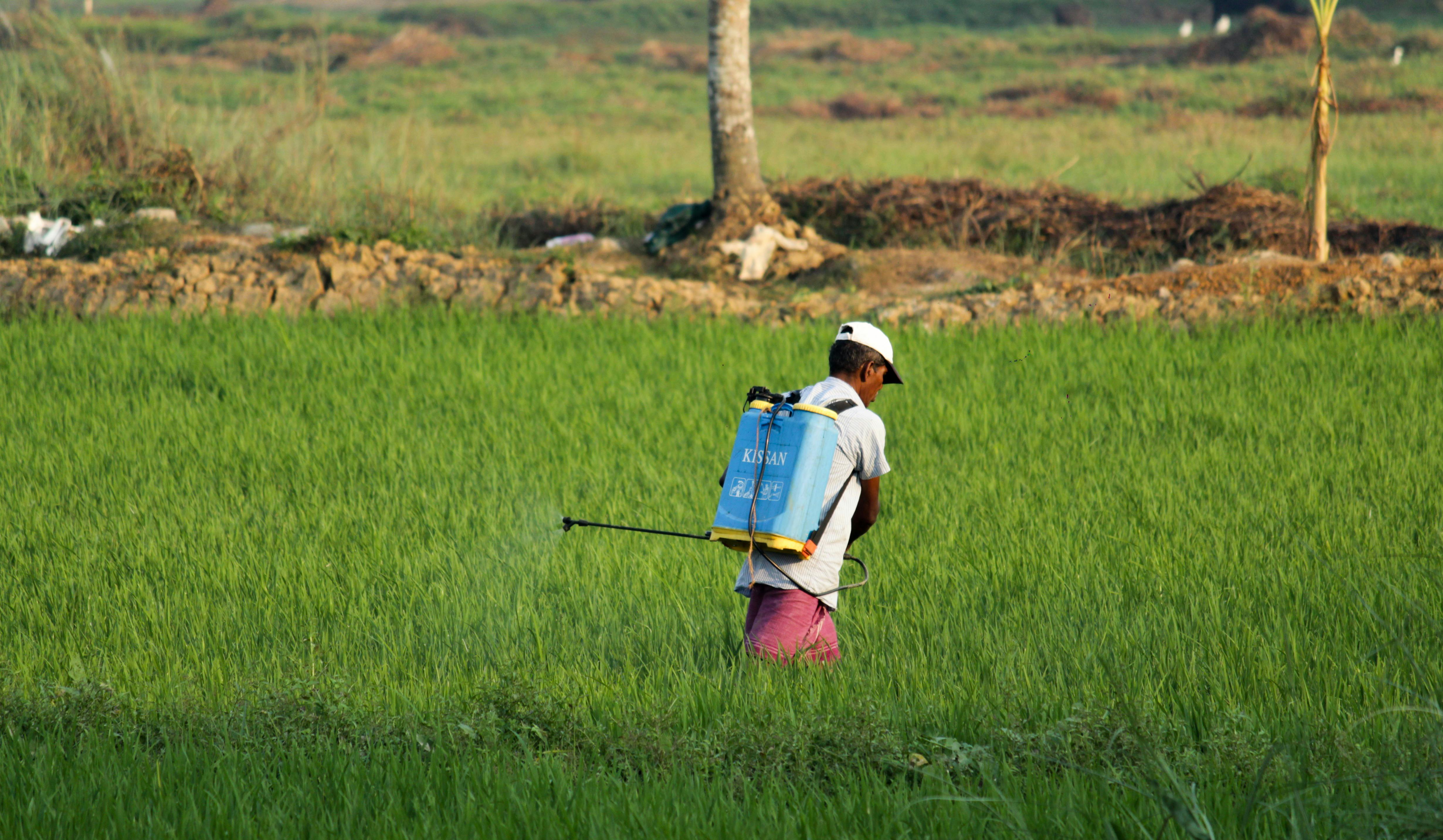
Climate change is a shared responsibility. At ADEF, we are working with communities to restore ecosystems, promote sustainable livelihoods, and protect biodiversity for future generations.
Join us in building a greener future through conservation, afforestation, and climate-smart agriculture initiatives.
Trees Planted
Farmers Trained
Communities Reached
Projects Implemented