ADEF continues to empower communities through targeted training, sustainable agriculture, and environmental outreach programs.
ADEF organized hands-on training in modern pig farming and feed formulation. A total of 15 beneficiaries (10 men and 5 women) gained practical skills. Local feed ingredients were explored to address the high cost of feed, a major challenge limiting commercial pig farming.
Training focused on dry-season vegetable cultivation as an alternative income source. Organic methods were promoted using pig manure instead of synthetic fertilizers, improving both income generation and food security for households.
ADEF trained 15 beneficiaries (4 men and 11 women) on transforming pig waste into organic compost. This initiative filled a critical gap in piggery projects and enabled women to produce vegetables for household consumption.
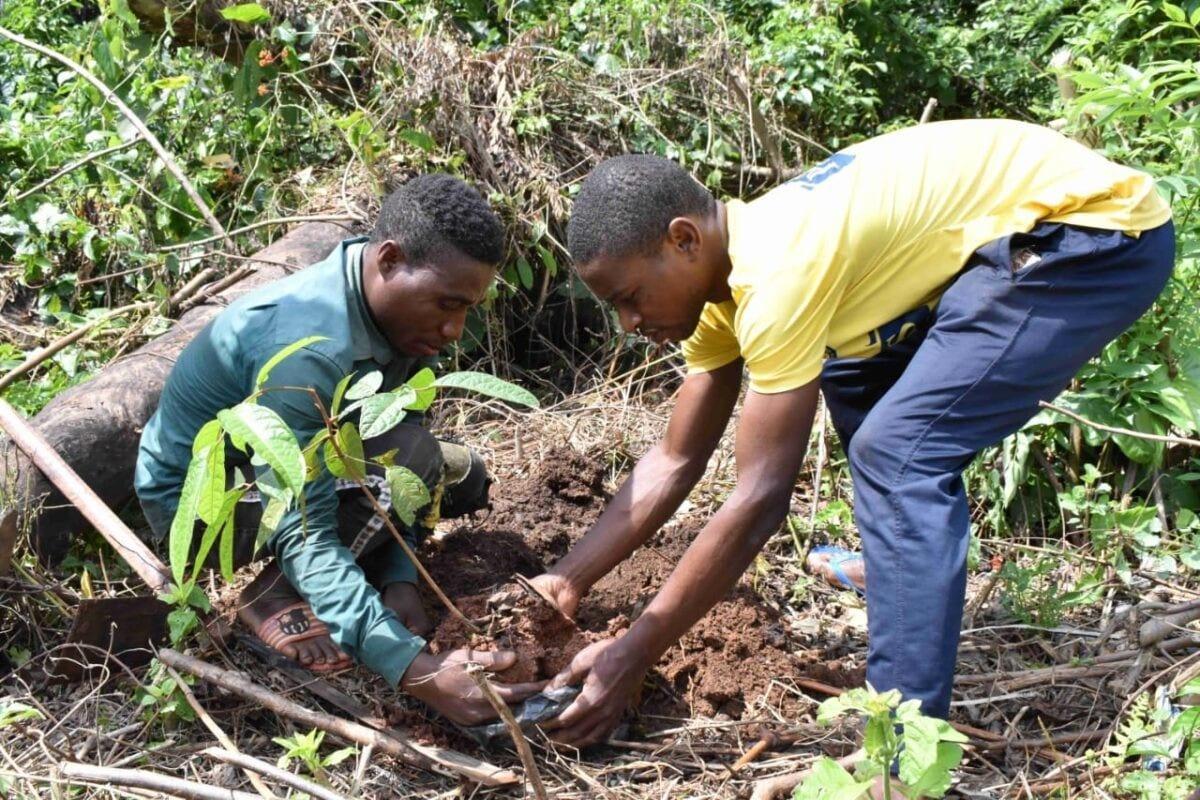
A total of 150 Baillonella (Muabi) trees were raised and distributed to 50 cocoa farmers. These fast-growing trees provide shade, improve cocoa yields, and offer long-term economic and environmental benefits.
ADEF supported 20 women with cabbage seedlings to establish home gardens. Each beneficiary received 50 seedlings, improving nutrition and household food supply.
Support included piglet donations, assistance in constructing pig pens, and regular monitoring visits. A total of 10 pig farms were visited to ensure proper management and sustainability.
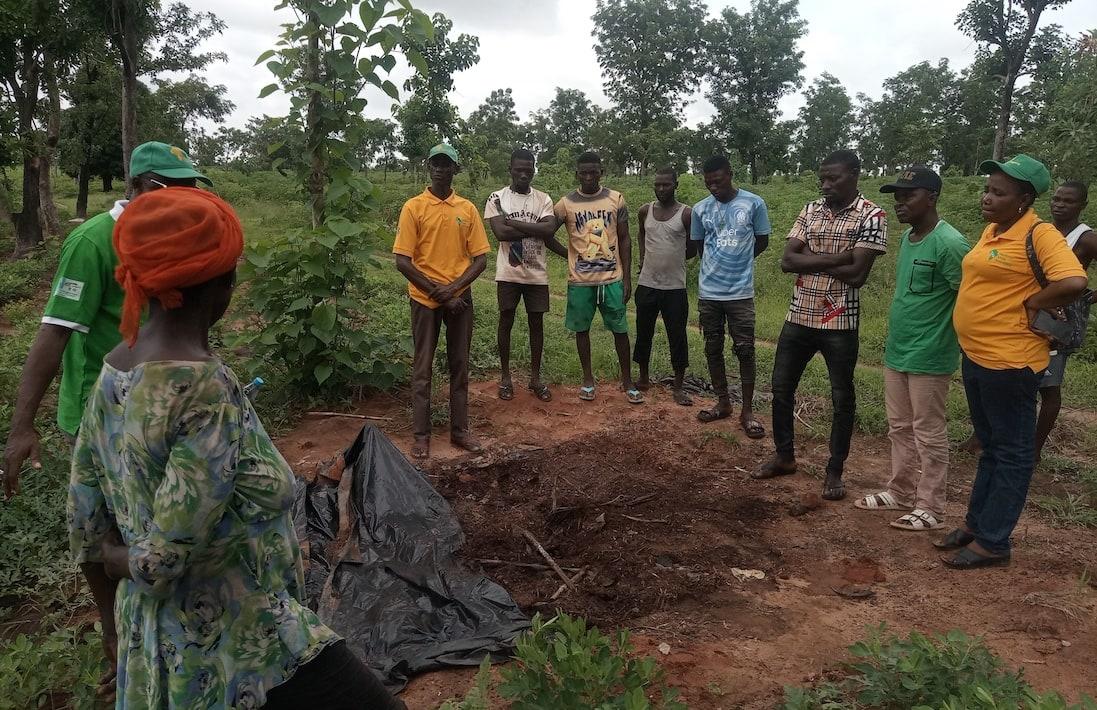
Our capacity building initiatives focus on equipping beneficiaries with practical skills that create lasting economic and environmental impact.
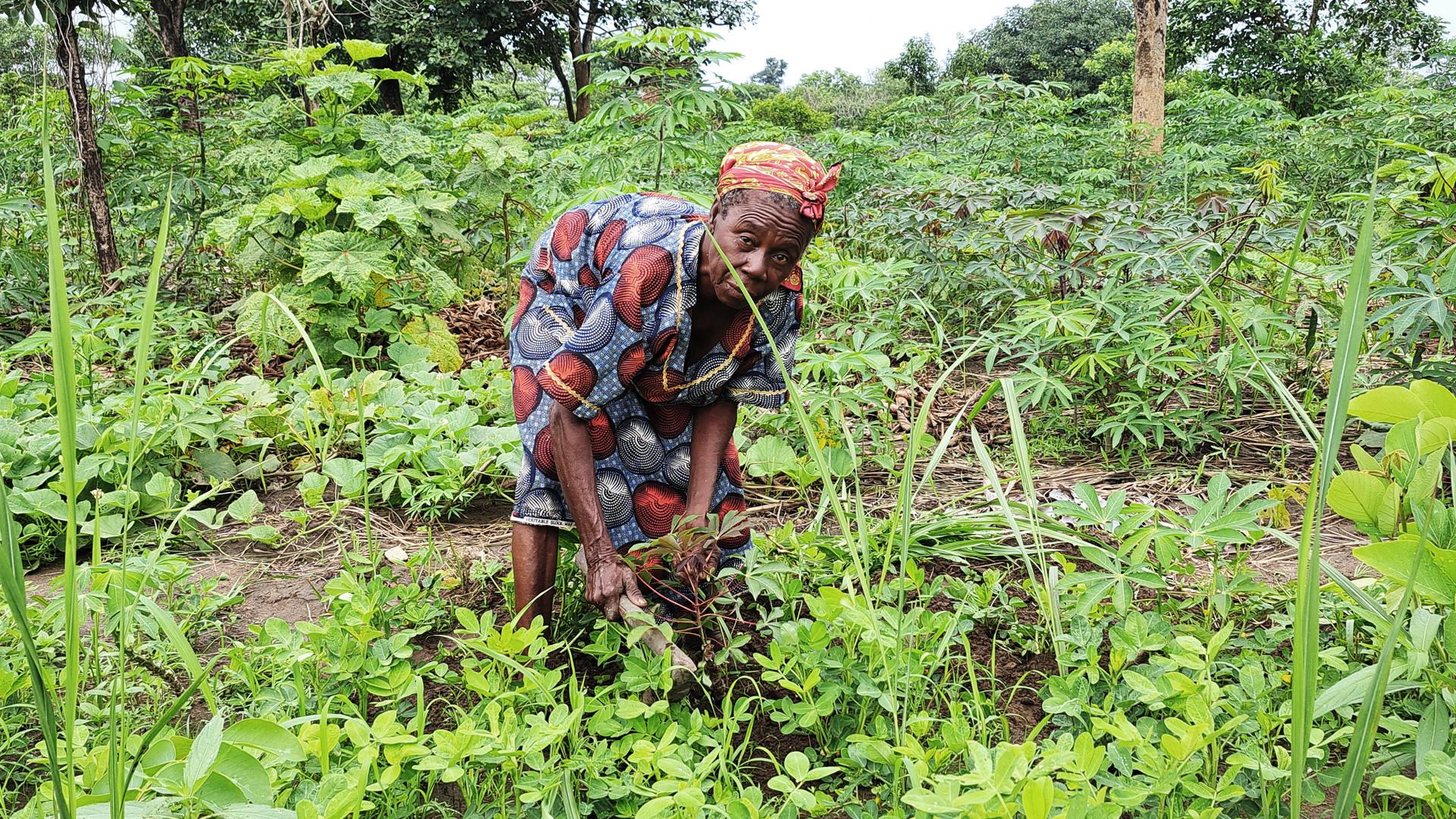
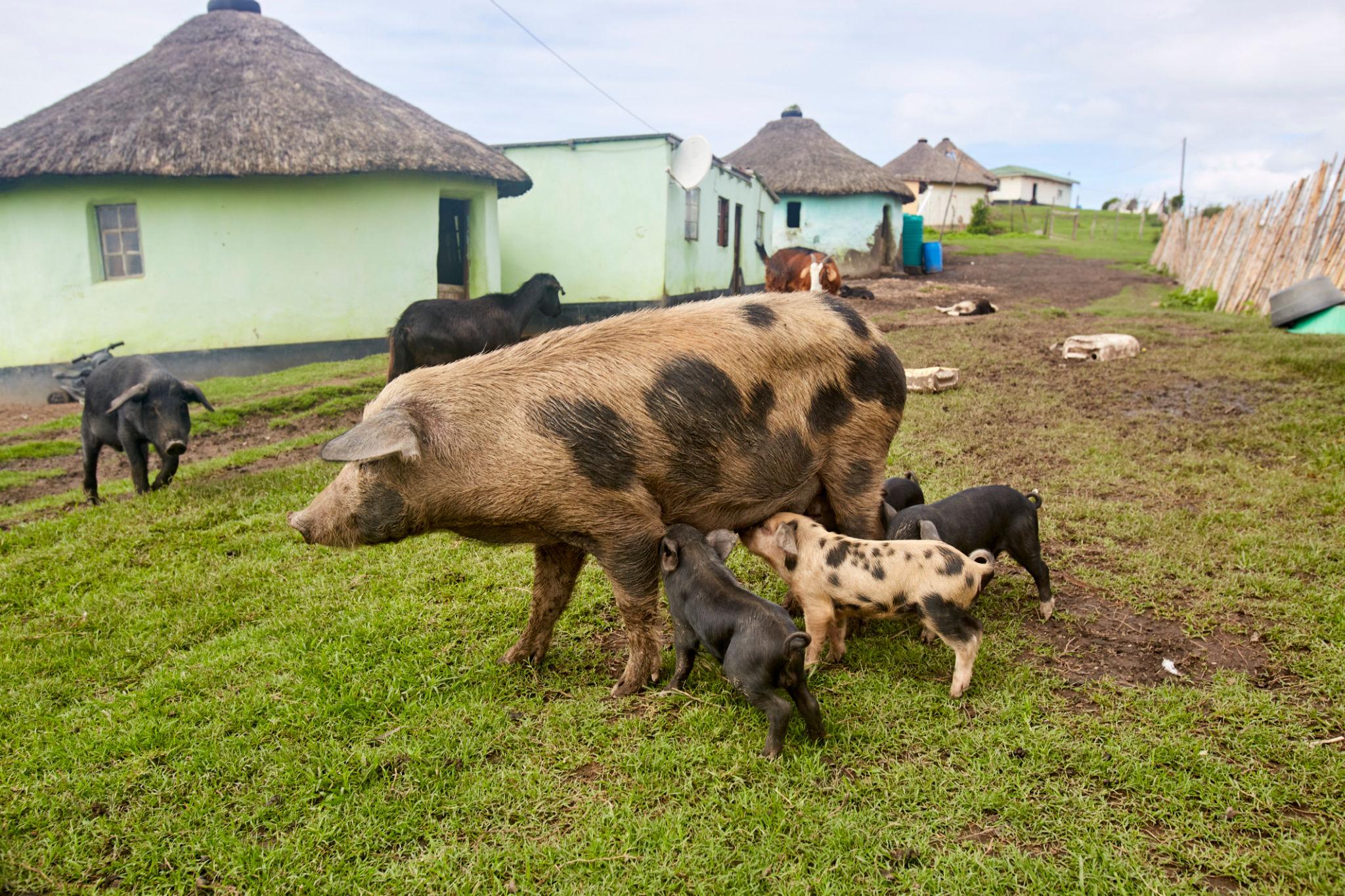
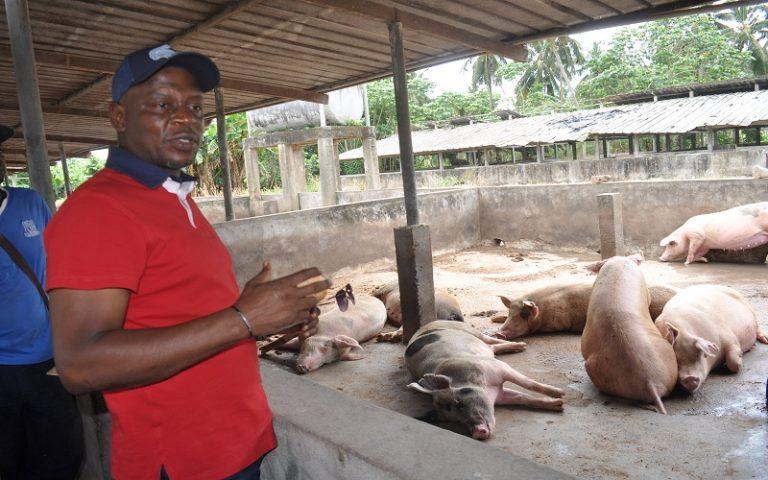
ADEF’s capacity building approach is centered on providing hands-on training and continuous support to ensure sustainable livelihoods. Our programs focus on bridging knowledge gaps and equipping beneficiaries with real-world skills that can be applied immediately for income generation and environmental protection.
Training in piggery and feed formulation has enabled farmers to improve productivity while reducing feeding costs using local materials.
Promoting organic vegetable cultivation has helped households generate income and improve food security during off-seasons.
Compost training transforms pig waste into valuable organic fertilizer, reducing environmental impact and improving soil health.
Tree planting initiatives contribute to biodiversity conservation and support sustainable cocoa farming systems.