Advancing biodiversity conservation, empowering communities, and promoting sustainable livelihoods in and around Bakossi National Park.
Explore Report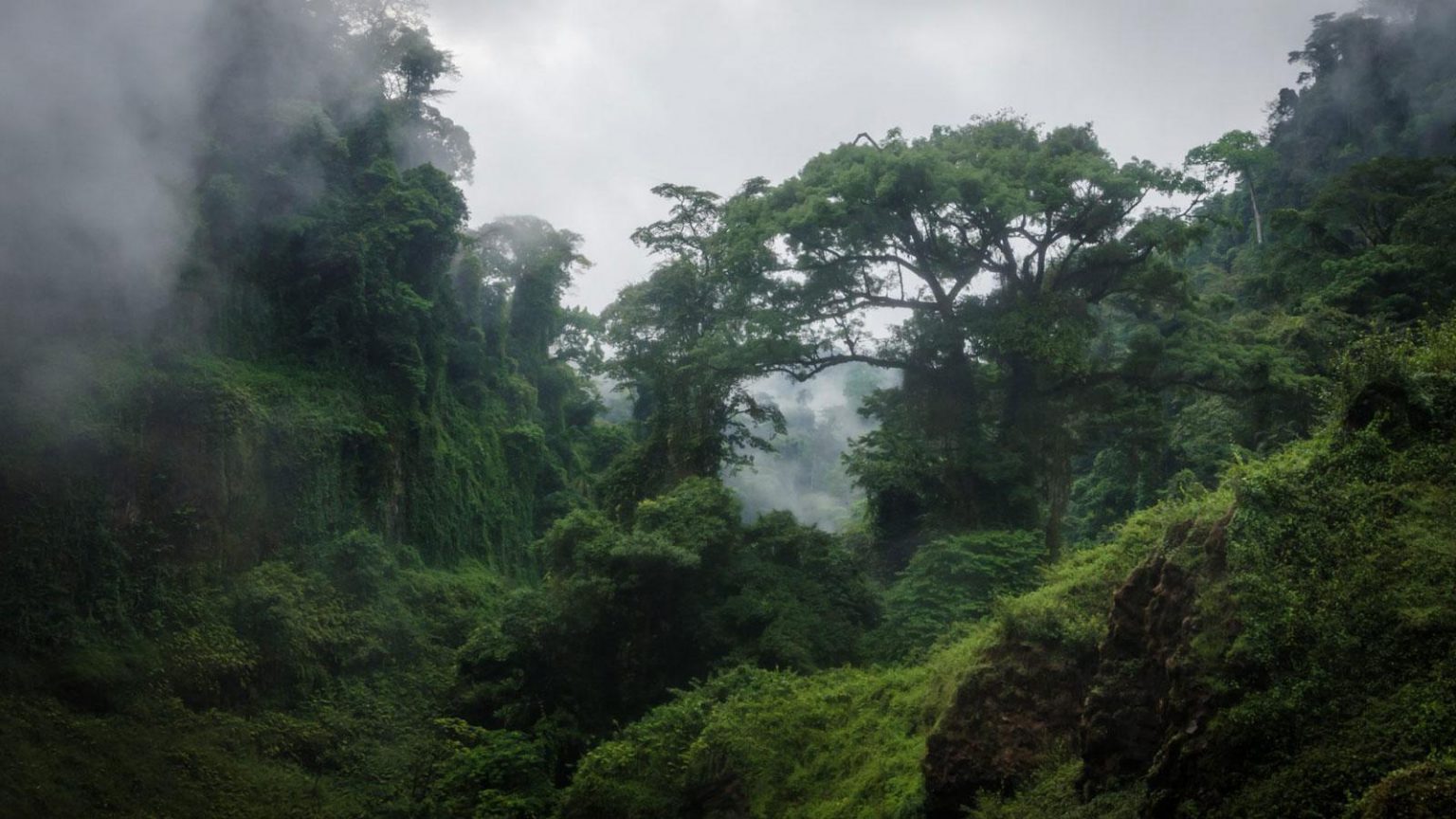
Bakossi National Park is a biodiversity hotspot with high levels of endemism. It is home to endangered primates such as the Drill and Chimpanzee, along with numerous other wildlife species.
Despite its richness, the park faces threats such as poaching, deforestation, and unsustainable exploitation of forest resources by local communities.
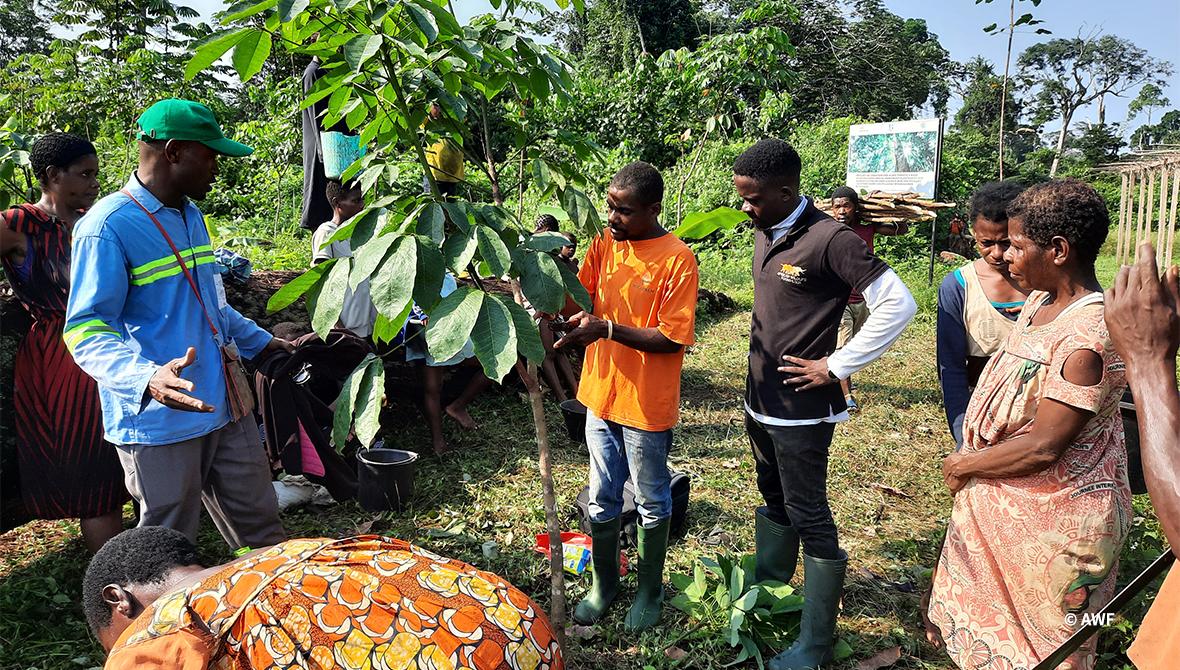
ADEF conducted training programs in pig farming, feed formulation, and organic vegetable farming to empower local communities.
These initiatives provided practical skills and promoted sustainable agricultural practices, improving livelihoods and food security.

Tree planting remains a core activity of ADEF. Over 150 native trees were distributed to farmers to promote reforestation and sustainability.
Additional outreach included support for vegetable farming and regular monitoring of pig farms in local communities.
ADEF continues to promote biodiversity conservation through sustainable practices, protecting endangered species and restoring degraded ecosystems within Bakossi National Park.
Communities are trained in pig farming, organic vegetable production, and compost making to improve food security and generate sustainable income.
Women and youth are empowered through skill development programs that support livelihood diversification and reduce pressure on forests.
Protecting wildlife is not an option — it is a necessity. Across forest ecosystems, wild animals are disappearing at an alarming rate due to human pressure. ADEF is committed to reversing this trend by safeguarding species, preserving habitats, and promoting coexistence between humans and wildlife.
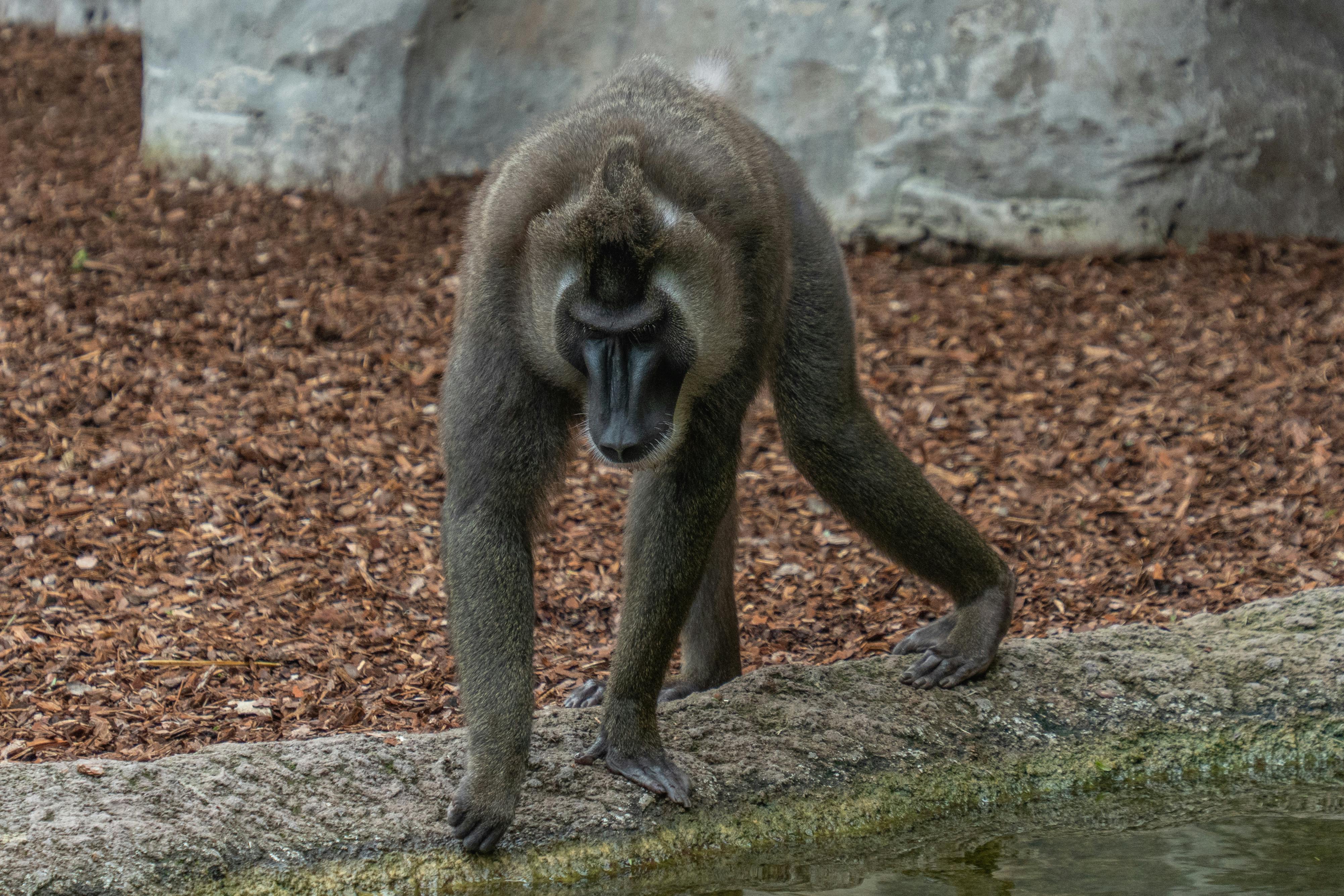
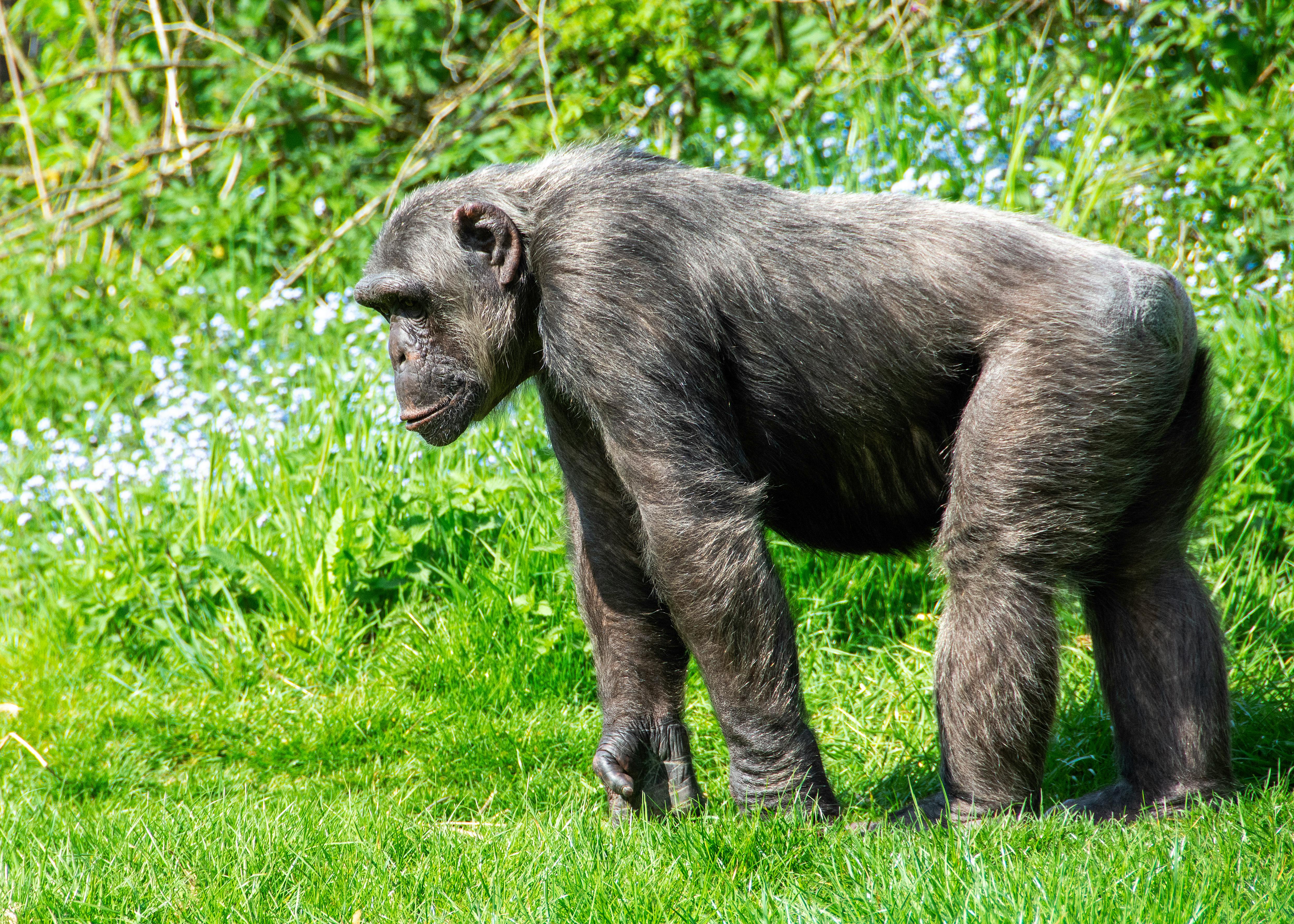

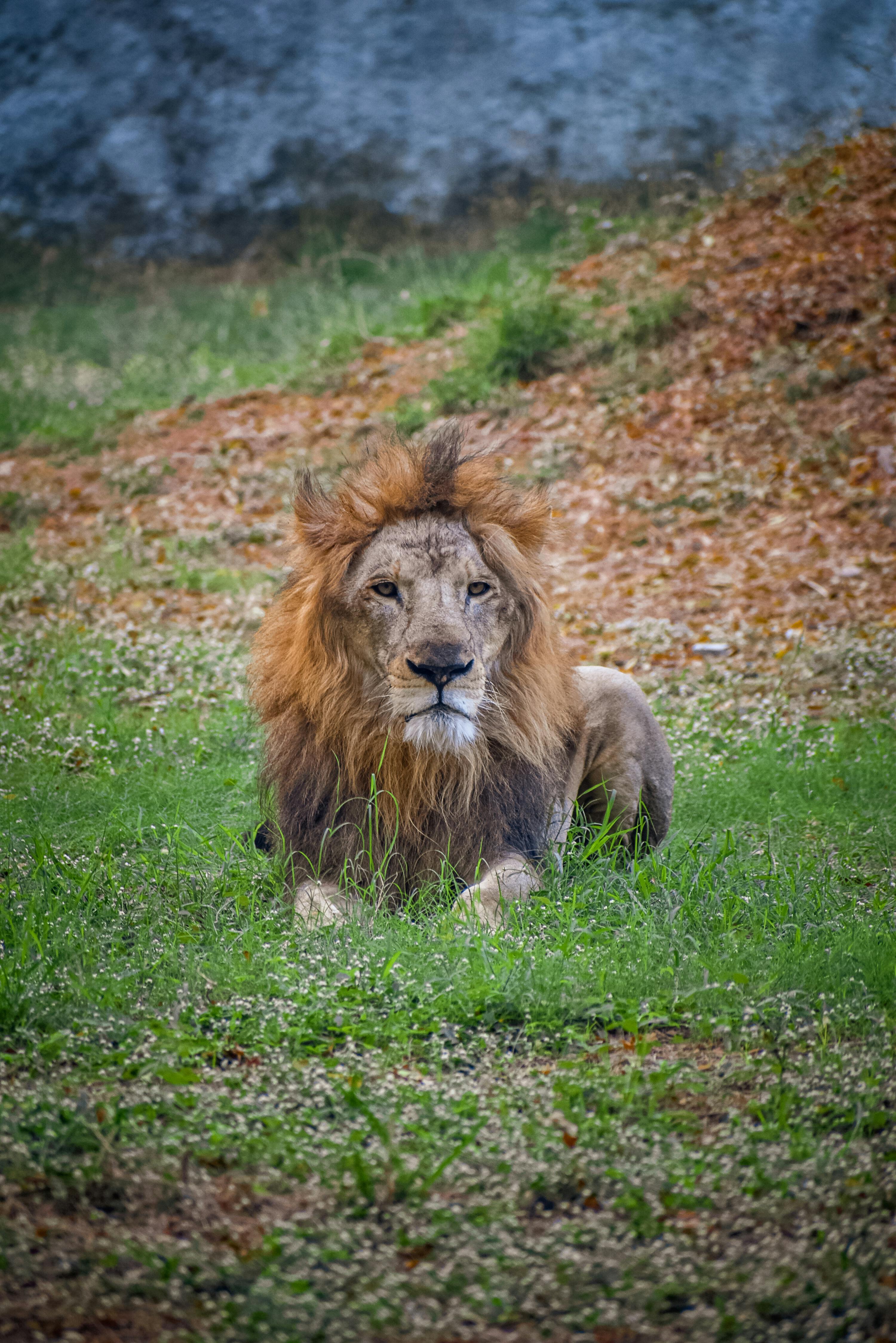
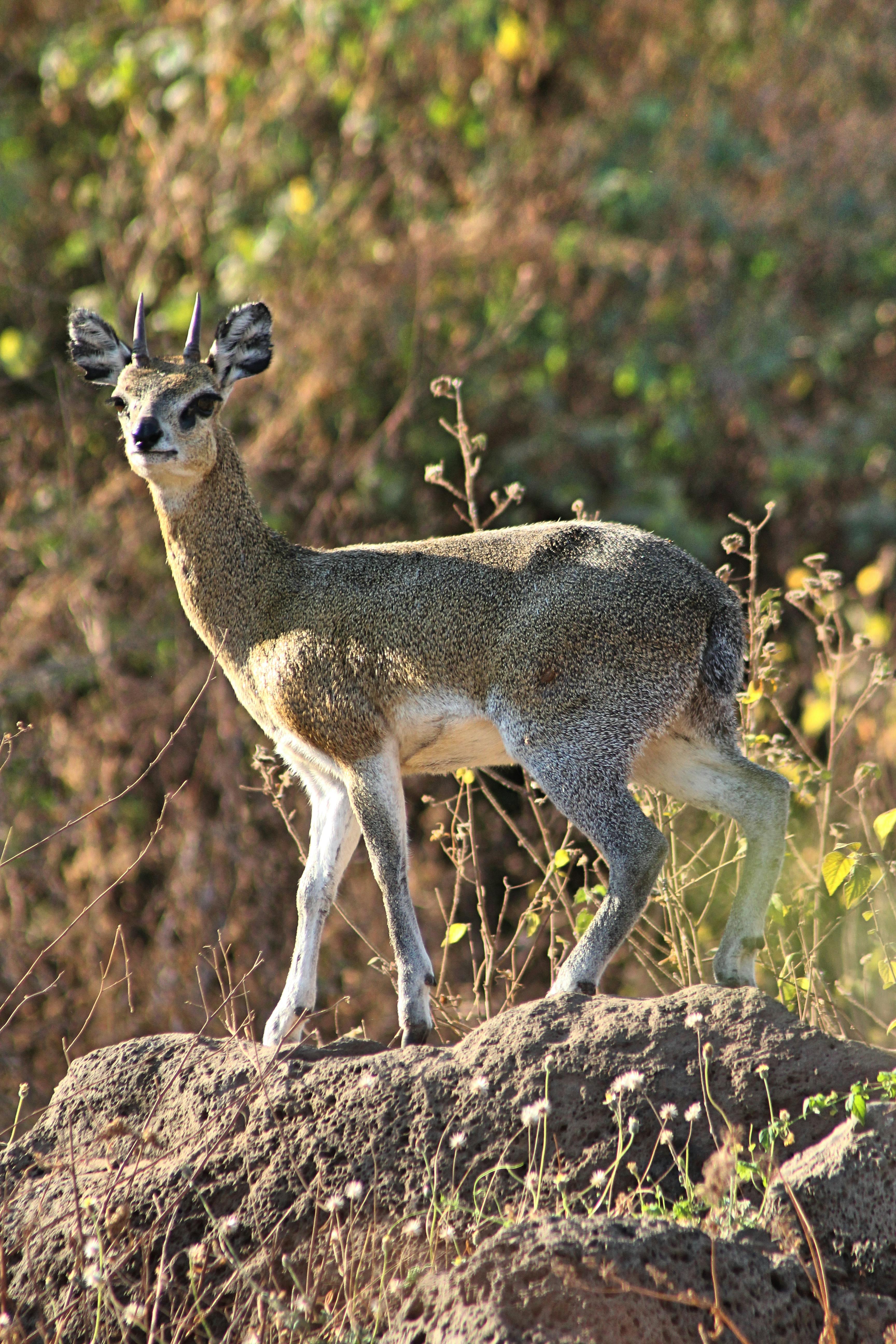
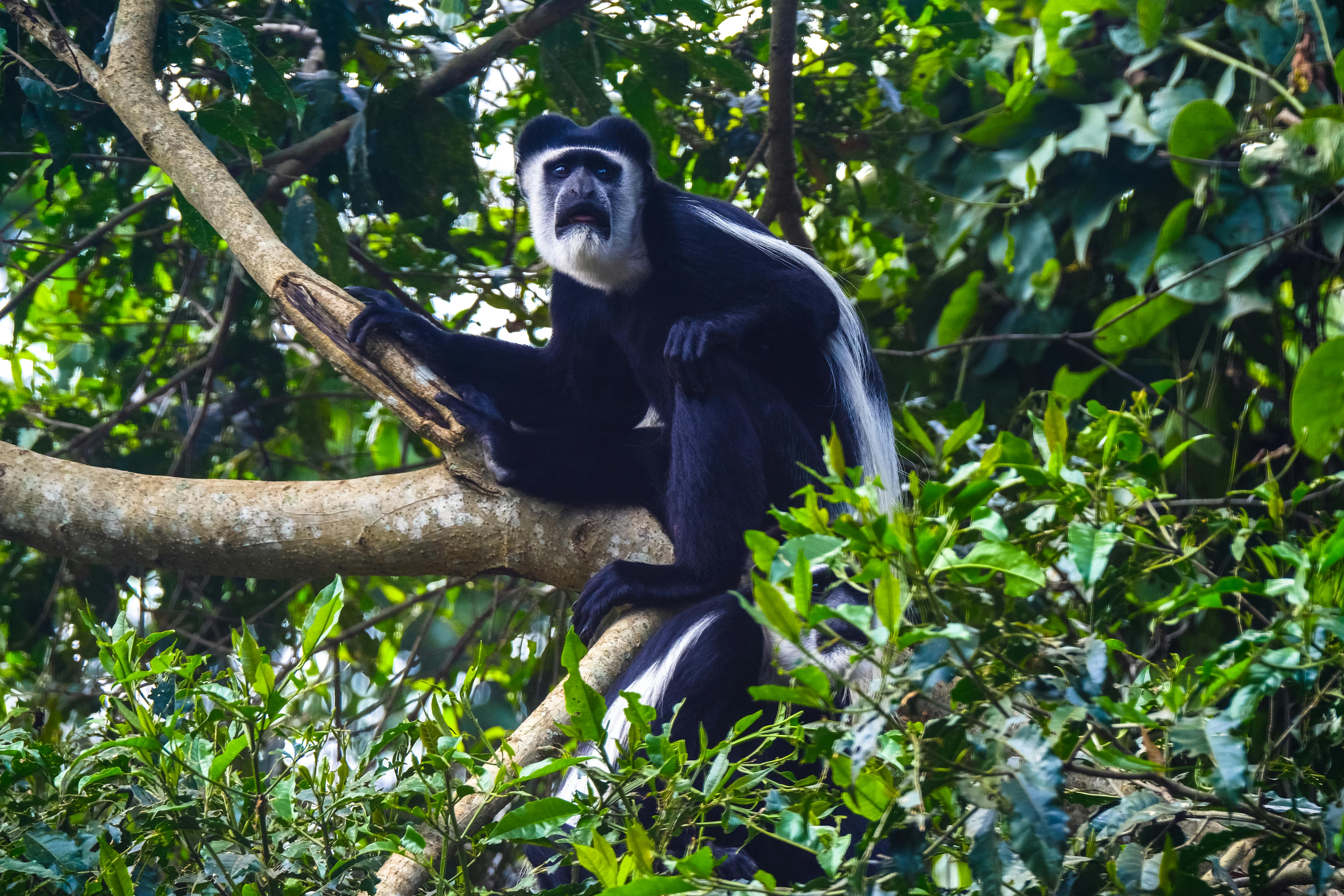
Forest ecosystems are home to a wide range of unique and endangered species. Animals such as the drill monkey, chimpanzee, pangolin, duikers, and primates like the colobus monkey are facing increasing threats in their natural habitats. These species are not only biologically important but are also indicators of ecosystem health.
Over the years, the survival of these animals has become uncertain due to rapid environmental degradation. Forest clearing for agriculture, illegal logging, and infrastructure expansion continue to reduce the space available for wildlife. As habitats shrink, animals are forced into closer contact with human populations, often leading to conflict and further loss of biodiversity.
Poaching remains one of the most critical dangers. The demand for bushmeat and illegal wildlife products has significantly reduced animal populations. Species like pangolins are trafficked globally, while primates are hunted locally, pushing many toward extinction.
Wildlife plays a vital role in maintaining ecological balance. Each species contributes to the health of ecosystems in ways that are often invisible but essential. Animals help in seed dispersal, pollination, and population control of other species. Without them, ecosystems begin to collapse.
The loss of wildlife directly affects human survival. Forests depend on animals to regenerate and remain productive. When animal populations decline, the long-term sustainability of natural resources is threatened. This impacts food security, climate stability, and livelihoods of communities that depend on nature.
Beyond ecology, wildlife also holds cultural, scientific, and economic value. Many communities identify strongly with local species, while conservation areas can create opportunities for eco-tourism and sustainable income generation.
ADEF adopts a holistic approach to wildlife conservation by addressing both environmental and social factors. Protecting animals cannot succeed without involving the communities that live alongside them.
The organization focuses on raising awareness about the importance of wildlife, educating communities on the consequences of poaching, and promoting alternative livelihoods that reduce dependence on hunting.
Habitat conservation is another key priority. Efforts are made to restore degraded forest areas and protect existing habitats to ensure animals have safe environments to live and reproduce.
Through partnerships with conservation bodies and local stakeholders, ADEF contributes to monitoring wildlife, supporting conservation policies, and strengthening community participation in protecting natural resources.
The future of wildlife depends on actions taken today. ADEF envisions a future where forests are thriving, wildlife populations are stable, and communities actively participate in conservation efforts.
By protecting wildlife, we are not only saving animals — we are preserving ecosystems, securing livelihoods, and ensuring a sustainable planet for generations to come.
Wildlife conservation is no longer a distant concern — it is a global responsibility that requires immediate and sustained action. Across forest ecosystems, wild animals are increasingly under pressure due to human expansion, illegal hunting, and environmental degradation.
Species that once thrived in abundance are now struggling to survive. The disappearance of these animals is not just a loss of biodiversity, but a disruption of the natural systems that support life on Earth. Every species plays a role, and when one disappears, the entire ecosystem becomes weaker.
Effective wildlife protection requires collaboration between organizations, communities, and policymakers. It also requires a shift in mindset — from exploitation to stewardship. Communities must be empowered with knowledge and alternatives that reduce dependence on activities that harm wildlife.
By investing in conservation today, we are securing a future where wildlife continues to exist in balance with human development. Protecting wildlife is ultimately about protecting life itself.